here is what's in store for you this week:
(estimated reading time: 9 min)
Pattern recognition: I explain how I came to recognise russia as a 500‑year colonial empire and why misdiagnosing it leads to failed Western defences.
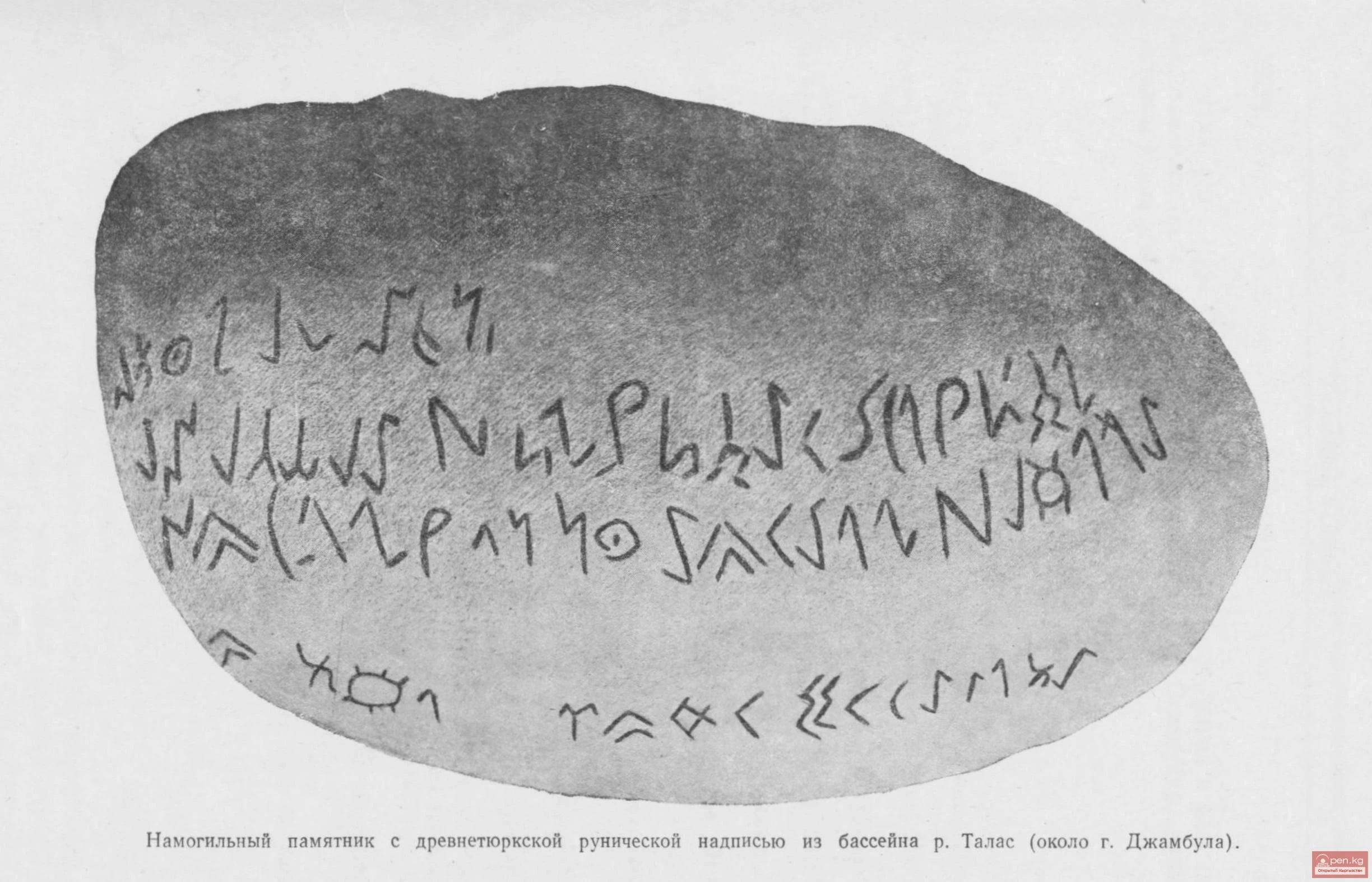
Language as a colonial weapon: how russia forced Kyrgyzstan through three alphabet changes in fifteen years (Arabic → Latin → Cyrillic) to break cultural continuity and impose imperial control.
The history your schoolbooks skipped: how the russian occupation eliminated Finnish‑language schools and newspapers, framing russification as “cultural progress” while preparing the ground for ethnic cleansing.
Several hundred people held off an empire for years: one of the most daring resistances against russian imperialism you were never supposed to know about. And how it started with russians mass stealing indigenous kids.
Learning about russian colonialism is not history: foreign democratic societies keep misreading russia because they ignore its colonial language patterns that signal expansion, domination, and genocidal intent.
I do not share this often publicly.
But my current expertise on the headache called russia did not come together from years of research alone. Realising my mistakes, dangerous delusions, and fear-driven ignorance shaped it as much. I’d wish I could say there was one single ‘aha’ moment that helped me to recognise the 500-year-old pattern of russian imperial violence. But only after I lost my own home to russian colonialism was I jolted back to reality.
Even when the war started, back in 2014, I kept my head in the sand. I was listening. empathising. Going to the frontline and watching russian imperialism in action. My friends and colleagues — Ukrainians who’d fled the occupation — were warning me what they’d seen. “They will come for more.” I nodded in compassion. I wrote about it. And then, privately, I hoped the war would stop at some invisible line. That russia had taken what it came for and would give it a rest.
I was, of course, wrong. They came for more. They came for my house.
I just let fear dress itself up as “non-emotional analysis”, as “objectivity”. I fell for the oldest victim cliche of all time: blaming ourselves for ‘provoking’ the abuse. If only we were less ‘corrupt’, if only we were ‘more European’, if only we were less ‘nationalistic’.
So when the full-scale invasion happened in 2022, it didn’t surprise me intellectually. I’d studied the pattern too many times across too many centuries to be surprised by it. What surprised me was how long I’d let that fear run the show.
Because expansion isn’t a policy choice for empires — it’s a life cycle, a necessity. The empire expands, or it dies. It will keep expanding until someone makes it too expensive to continue. That’s the first thing I learned from studying centuries of russian imperial warfare. And somehow I still privately hoped for an invisible line.
I don’t make that mistake anymore. And I’d rather the rest of you in the free world didn’t have to make it at all.
Which is why the question I keep returning to — the one that drives everything I do — is a simple one. If you can’t name the threat correctly, how can you design any defence against it? Call it a regional dispute, and you look for a negotiated settlement. Call it colonial expansion, and you build the kind of resistance that makes expansion cost more than it’s worth. “Colonial war” — these words aren’t semantic. They open certain doors for working solutions and close others.
Grateful to JP Lindsley for giving me the space to share this story for his Voices of the Fight series. What follows is that conversation — on imperial pattern recognition, on the Ukrainian defence innovation model the West is only now scrambling to understand, and on why the people closest to the fire have been right about all of it, every time.
The Ukrainian defence-tech revolution that everyone abroad is suddenly discovering? It didn’t appear out of nowhere in 2022… If you’d listened—and learned Ukrainian history—you’d have expected exactly this kind of innovation to emerge. Not just because of the russian invasion. It happened because of 400 years of Ukrainian anti-colonial resistance that the invasion simply made visible.
Ukrainians have been building parallel survival structures outside imperial control for centuries. Every time russia erased the language, underground publishing networks appeared. Every time it strangled the culture, decentralised preservation filled the gap. The pattern in modern Ukrainian defence is identical.
Learn more:

Russian Colonialism 101 is the first newsletter to shed light on Russian colonialism and is part of the Volya Hub network.
By popular demand, and for anyone wanting an alternative to supporting this newsletter on Substack or Patreon. Subscribe via Buy Me Coffee.