

On my travels to book shows and lectures, I always pick up a bunch of interesting books and meet fascinating people. Recently, I had a thought: what if I start sharing all of it with my subscriber family here? Let me know what you think, and whether it is of any value to you — via the chat link below.
Russian Colonialism 101 is the first newsletter to shed light on Russian colonialism and is part of the Volya Hub network.
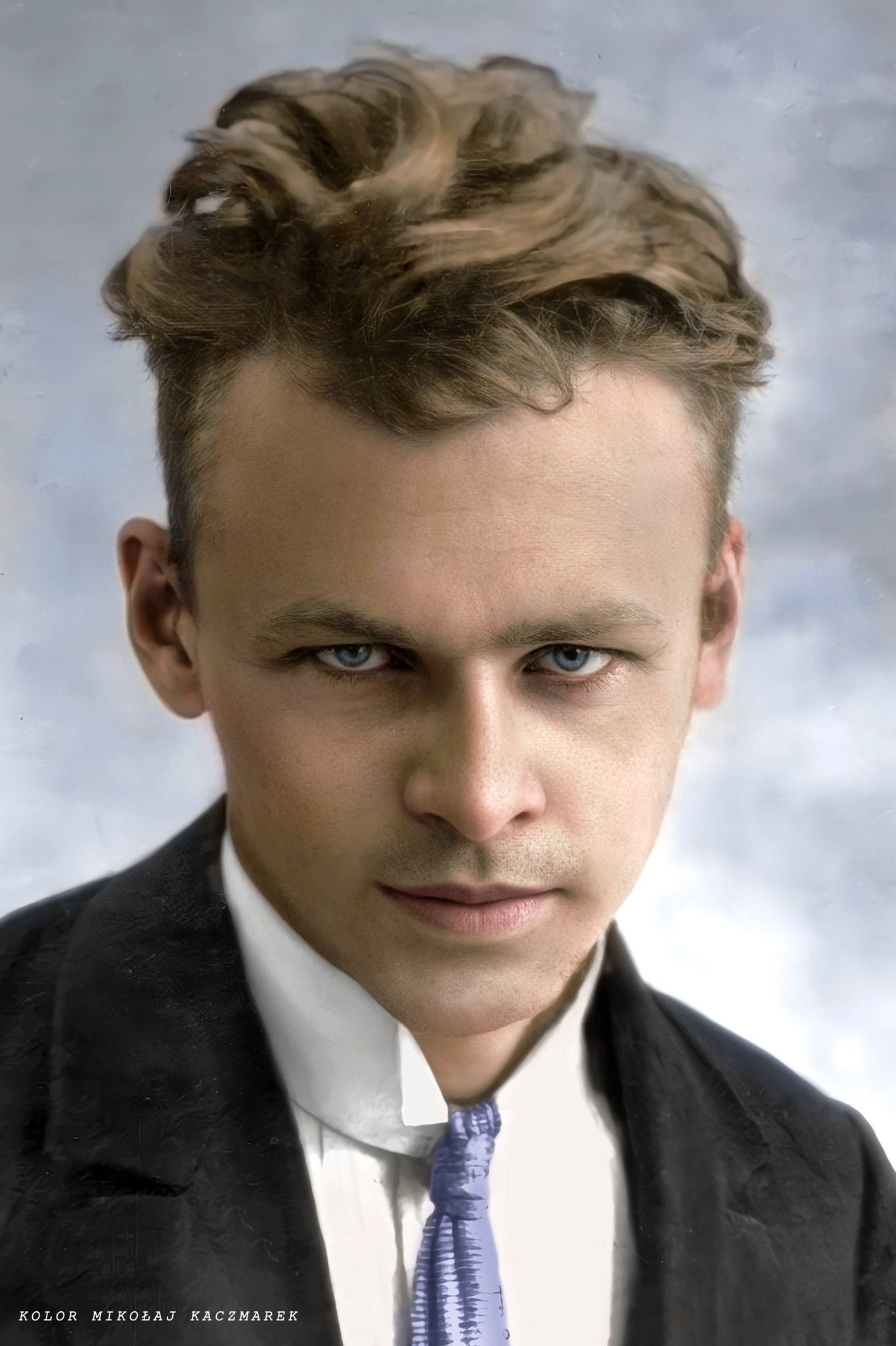
Minutes before sunrise on a Thursday in late September, military-clothed men pushed a middle-aged man into a crowded intersection in a large European city. He didn’t resist. There was no usual morning traffic—only screams and shouting. A street roundup.
All would soon be packed into freight trains and shipped to one of history’s largest death camps. Nobody wanted to board those trains. Except one man. He plotted to be caught. He suspected utter evil was unfolding in those camps, and he was on a mission to expose it.
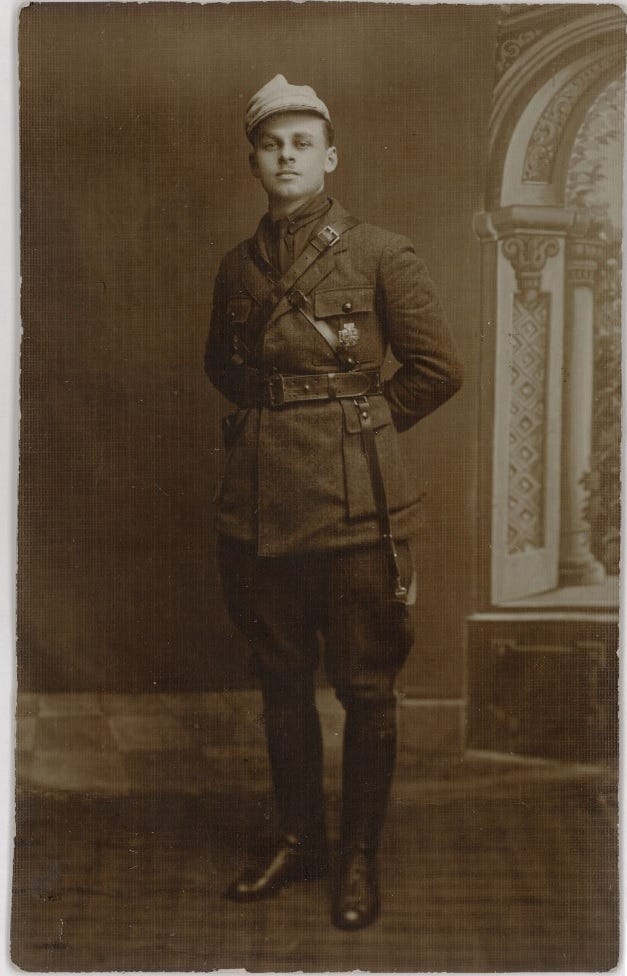
The time: 1940. The place: Warsaw. The man: Witold Pilecki.
This is a story of a remarkable man, who sacrificed his entire life to expose a pattern that would repeat for the next 85 years—and is repeating right now.
THE PATTERN
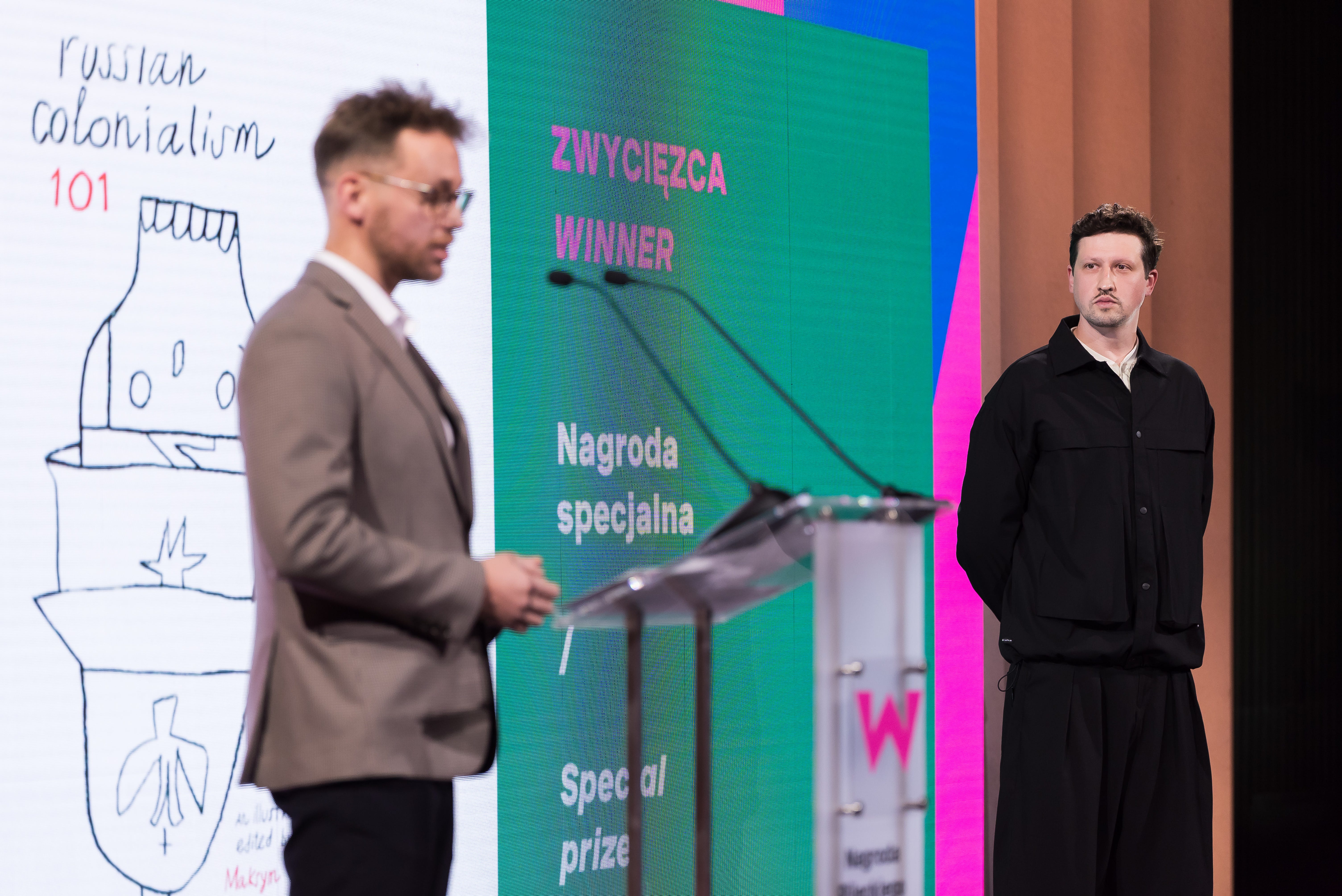
When I received the call that Russian Colonialism 101 was nominated for the Witold Pilecki Book Prize by the Pilecki Institute and the Auschwitz-Birkenau State Museum in Oświęcim, my first reaction wasn't pride. I was beyond honoured, yes. But I also felt a bit of relief that, on a European institutional level, we are finally starting to recognise the russian imperial pattern.
For over a decade, I’ve documented russian colonialism while mainstream analysis called it “geopolitics”, “authoritarianism”, or “regional conflict.” In the Russian Colonialism 101 guidebook, I’ve mapped 48 russian imperial invasions in the last 111 years alone. I’ve traced how each invasion follows identical playbooks: the same cognitive warfare tactics, the same erasure mechanisms, the same assumption that resistance will collapse.
And here was Witold Pilecki—a man who fought three of those imperial invasions in a single lifetime. A man whose story is finally getting mainstream across Europe, thanks to the trailblazing work by the Pilecki Institute, at the right time, while we are battling another one.
This recognition, for me, is a signal that we’re finally entering a phase where the rest