here is what's in store for you this week:
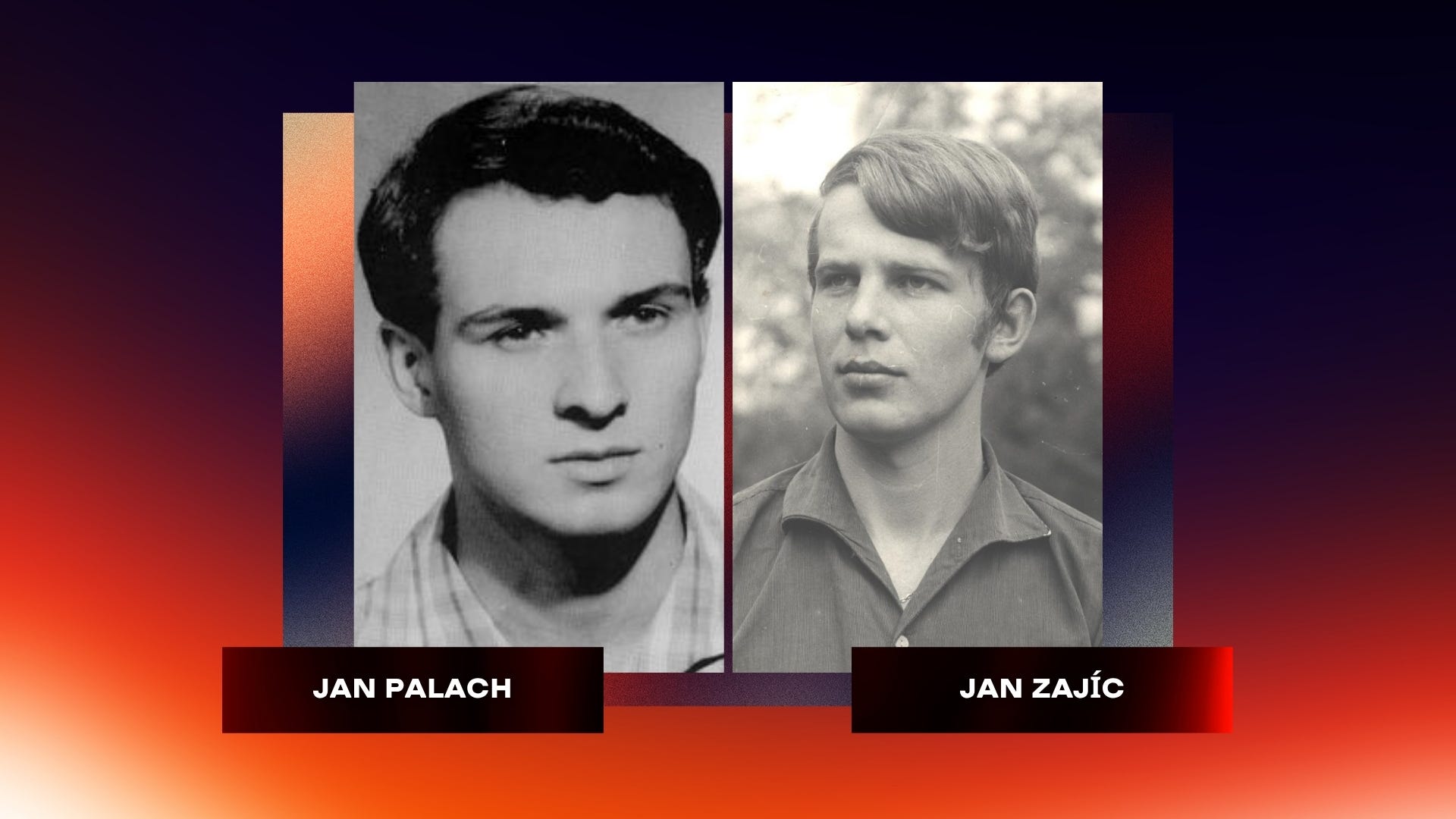
Across half a century and several occupied nations, ordinary people answered Russian colonial rule the only way left to them — by setting their own bodies on fire so their warning about the empire travels through time.
From 1783 to 2014: the Crimean colonial playbook Russia never stopped using. How Russia field-tested every modern colonial tactic in Qırım—and why indigenous Crimean historians saw 2014 coming.
How a Ukraine-born and Crimea-based poet witnessed the second Russian colonisation of Qırım-Crimea in the 1920s and saw it now as an anomaly but as a culmination of a long imperial lineage of looting, repression, and spiritual decay. Expect poetic rage, philosophical indictment, and a stark contrast to how the West usually looks at Russia.
The forgotten history of Russian colonisation of China.
Why Russia keeps its free imperialism pass, and why colonial guilt seems to stop at Europe’s eastern border.
Content warning: stories of self-harm.
Russian Colonialism 101 is the first newsletter to shed light on Russian colonialism and is part of the Volya Hub network.
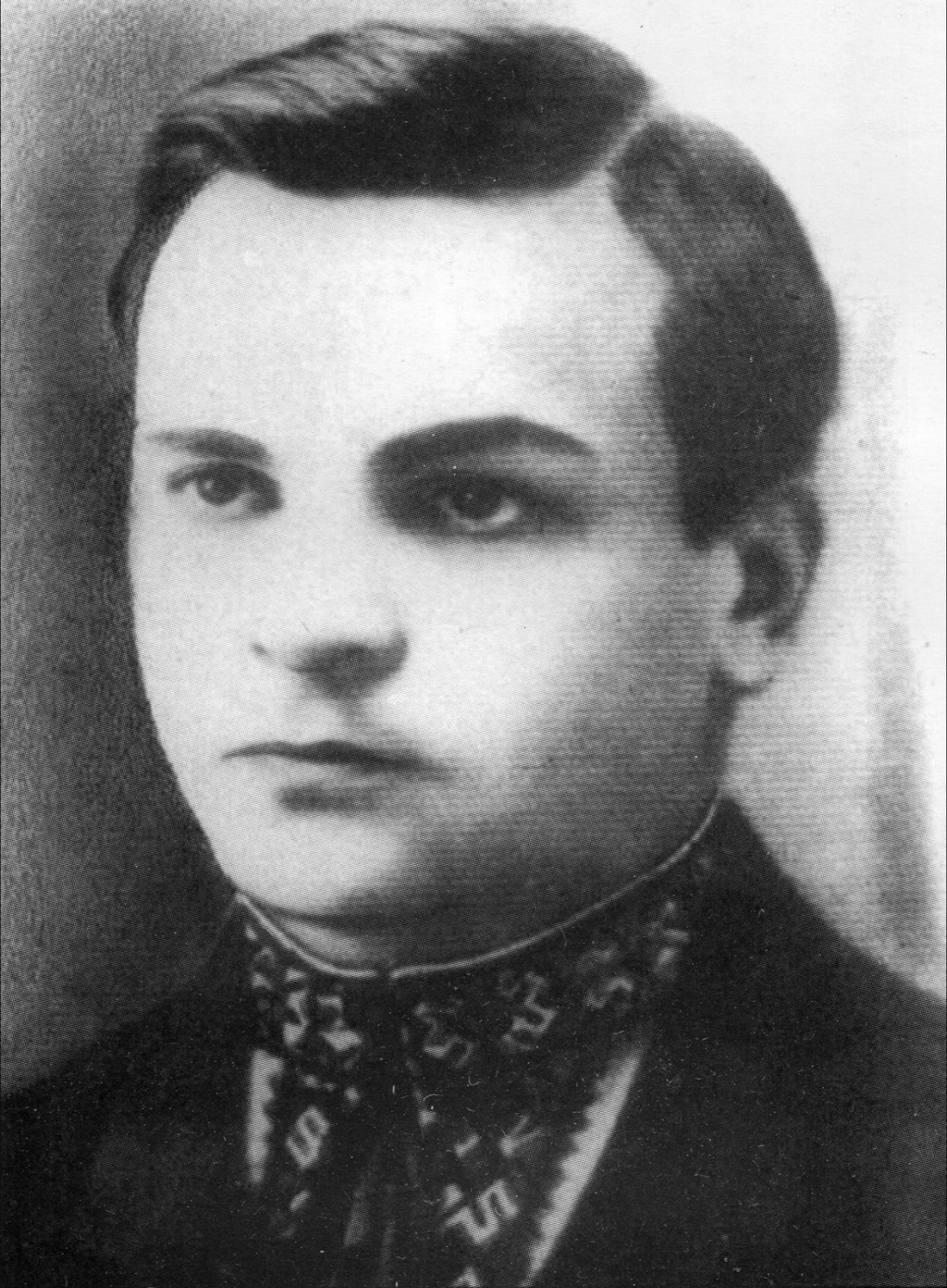
That early January morning in 1978, Vira found a note from her husband, Oleksa: “I went to Lviv. Do not worry. I will be back in a day or two.”
In reality, Oleksa Hirnyk, an average engineer, travelled across Ukraine to Kaniv. Late at night, he walked three kilometres uphill through freezing wind to the tomb of Taras Shevchenko, the anti-colonial Ukrainian legend. He opened a heavy bag: there were hundreds of handwritten leaflets he had spent four years writing in his attic. The wind lifted them like a cloud of white birds. He pinned one more letter to the granite base, condemning occupation and the erasure of Ukrainian identity—then doused himself in gasoline…
Local police found his burnt body in the morning. They also recovered 970 leaflets. Soviet authorities ordered everything sent to headquarters; a few Ukrainian officers quietly saved some. At first, officials told Vira her husband died in a car crash; they refused to return the body unless the family agreed to a sealed casket. Then Moscow classified the records. A Ukrainian coroner in Kaniv kept his notes and, 13 years later, published them when the Russian colonial occupation of Ukraine collapsed. Thanks to these dangerous acts of quiet resistance, we now know what actually happened.
One of Oleksa’s surviving leaflets warned the world: “The Moscowphile movement was active even under Tsarist Russia, and now the same movement operates in a different form: communism, under the seductive phrase ‘brotherhood and friendship.’ This is a war without war — waged by all means for footholds to dominate the world. Any politician who trusts the Russians is a fool. They’ll help you, and then force you to obey them, love them, and applaud them. The sooner the world sees through their lies, the sooner Ukraine will be freed from their yoke. The world doesn’t know them. Only those who’ve passed through their prisons do. Russia is hypocritical. It says one thing and does another. Let us live!”
Burning for Freedom: The Pattern Across Occupied Nations.
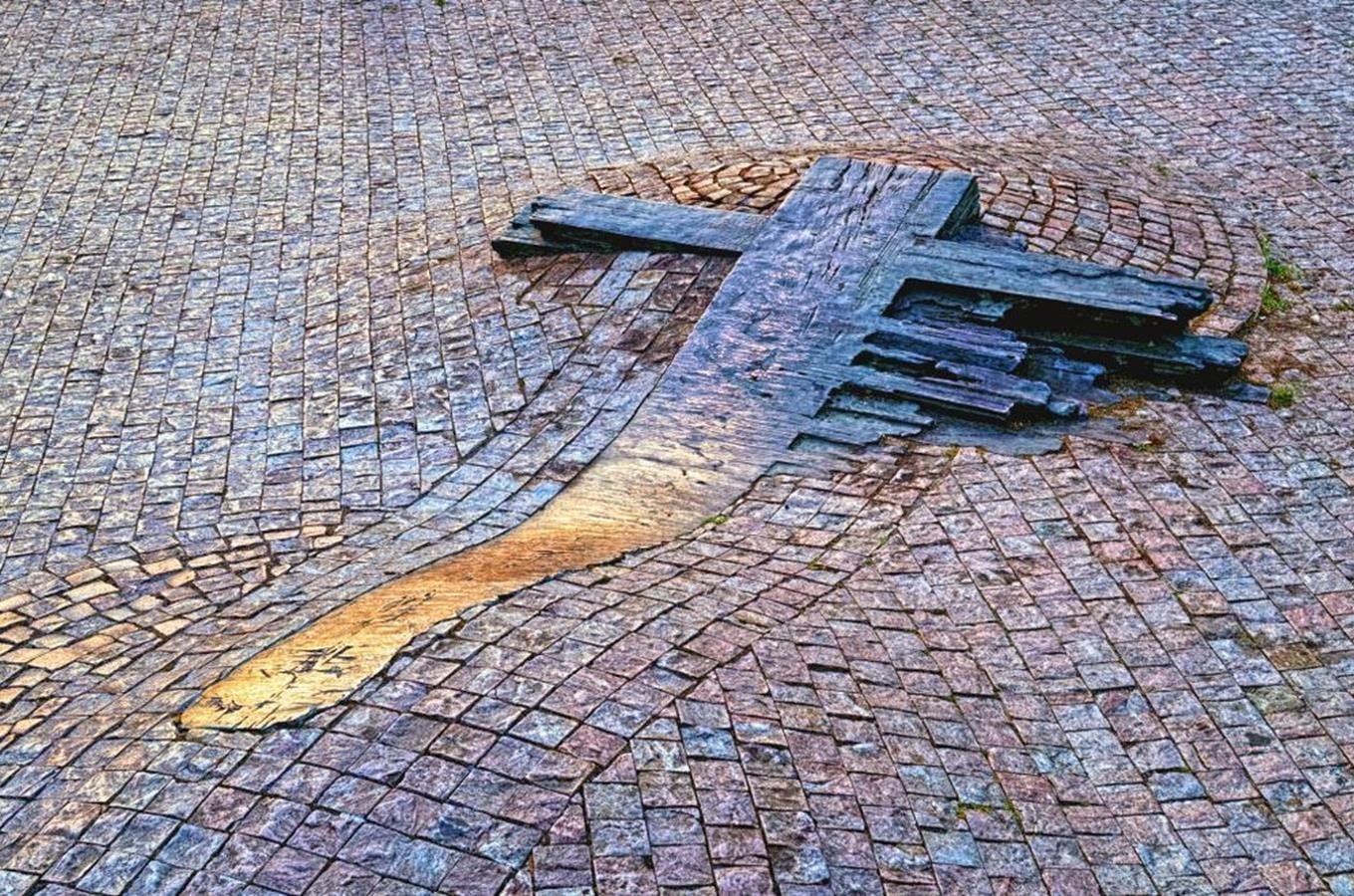
When I moved to Prague a decade ago, I didn’t know Hirnyk’s story. But my first bond with the city was another site of anti-colonial self-immolation—in the heart of Wenceslas Square. Two low mounds rise gently from the pavement. A bronze cross, not upright but horizontal, connects them, pressed into the earth as if marking the place where someone fell. This is not a monument that demands attention— it is a scar in the square, a place where resistance met silence and left behind a subtle mark. At first, I literally tripped over it before I noticed the names: Jan Palach and Jan Zajíc.