

here is what's in store for you this week:
Child theft isn’t just a war crime that happens during Russian occupations; it’s part of the strategic objective that Russian military operations are designed around. Why?
The Stalin cult wasn’t just megalomaniac excess but a sophisticated colonial tool in the Russian imperial playbook;
Prague was not ‘liberated’ by the Red Army in WWII — local Czech resistance did and then was silenced, persecuted for it;
Russian war crimes during the invasion of Crimea in 1920 are harrowingly similar to Russian war crimes during the ongoing invasion of Ukraine a century later;
Ukrainian city Dnipro is often remembered through the proud myth of rockets and space — a Soviet “city of science”. But that image hides an older imperial story;
The history of imperial aggression in Asia that Moscow wants to erase;
“Imperial Russia saw the nation as the sea into which all the other Slavic cultures flowed. The idea persists today not only in Russia’s attitude towards its neighbourhood, but also in the way eastern Europe is studied in the West.”
These aren’t snapshots of history — they are the connective tissue of empire. Lift the paywall to see how the past explains the colonial war we’re living through now.
Russian Colonialism 101 is the first newsletter to shed light on Russian colonialism and is part of the Volya Hub network.
“Winter without coal, shoes without soles, teachers who don’t know the ABCs.” One winter morning, this graffiti appears on the wall of a downtown restaurant. Passersby speed past it or abruptly change sides of the street. Everyone is terrified to be caught next to it once the occupiers discover it.
Within hours, the town is swept up in a major manhunt. Not because the rhyme was particularly threatening — it just pointed out obvious facts about shortages during occupation — but because this kind of thing was happening everywhere. Who were the ‘dangerous’ authors? A bunch of teenagers.
The occupying authorities quickly came up with a dehumanising label: “Werewolves,” claiming they were Nazi youth organised as underground armed resistance. There was very little evidence that such organised groups actually existed.
The graffiti kept appearing, but the young people who created it started disappearing.
As the occupation continued, thousands more local kids got arrested for relatively minor infractions — anti-occupation graffiti, tearing down propaganda posters, singing the wrong songs, and occasionally asking the occupiers embarrassing questions at public meetings. They are kidnapped from their homes, schools, and streets and then simply disappear. No formal procedures governed their detention. Officials couldn’t account for their whereabouts to frantic parents.
Local collaboration officials send a desperate letter to the metropole — even their children were among the kidnapped: “When will orderly procedures be introduced regarding these youths that will provide the innocent with an opportunity to contact their families and to return to their homes?”
The metropole ghosts them.
The kidnapped children weren’t coming home. The whispers spread: trains heading east, camps, something called “reeducation.” According to documents released decades later, every third died in those camps “as a result of sickness.”
The time was 1947. The place was Eastern Germany. And the occupiers kidnapping children were Russian imperial troops.
CHILD KIDNAPPING A LONG-STANDING TRADITION OF RUSSIAN IMPERIAL RULE.
I found the opening story in a must-read ‘The Russians in Germany’ by Norman M. Naimark, a prominent American scholar of Russian imperialism in Eastern Europe. It looks into the first four years of the Soviet occupation of the eastern parts of Germany, Moscow’s former ally in starting World War II.
The circumstances of Moscow's invasion of Germany and Ukraine are very different. But the story of the mass kidnapping of German kids in the mid-1940s sounds alarmingly similar to current news from Ukraine. 19,400+ documented cases of kidnapped Ukrainian children, with potentially tens of thousands more unreported. 1,600,000 Ukrainian kids are living under Russian occupation and facing systemic identity erasure.
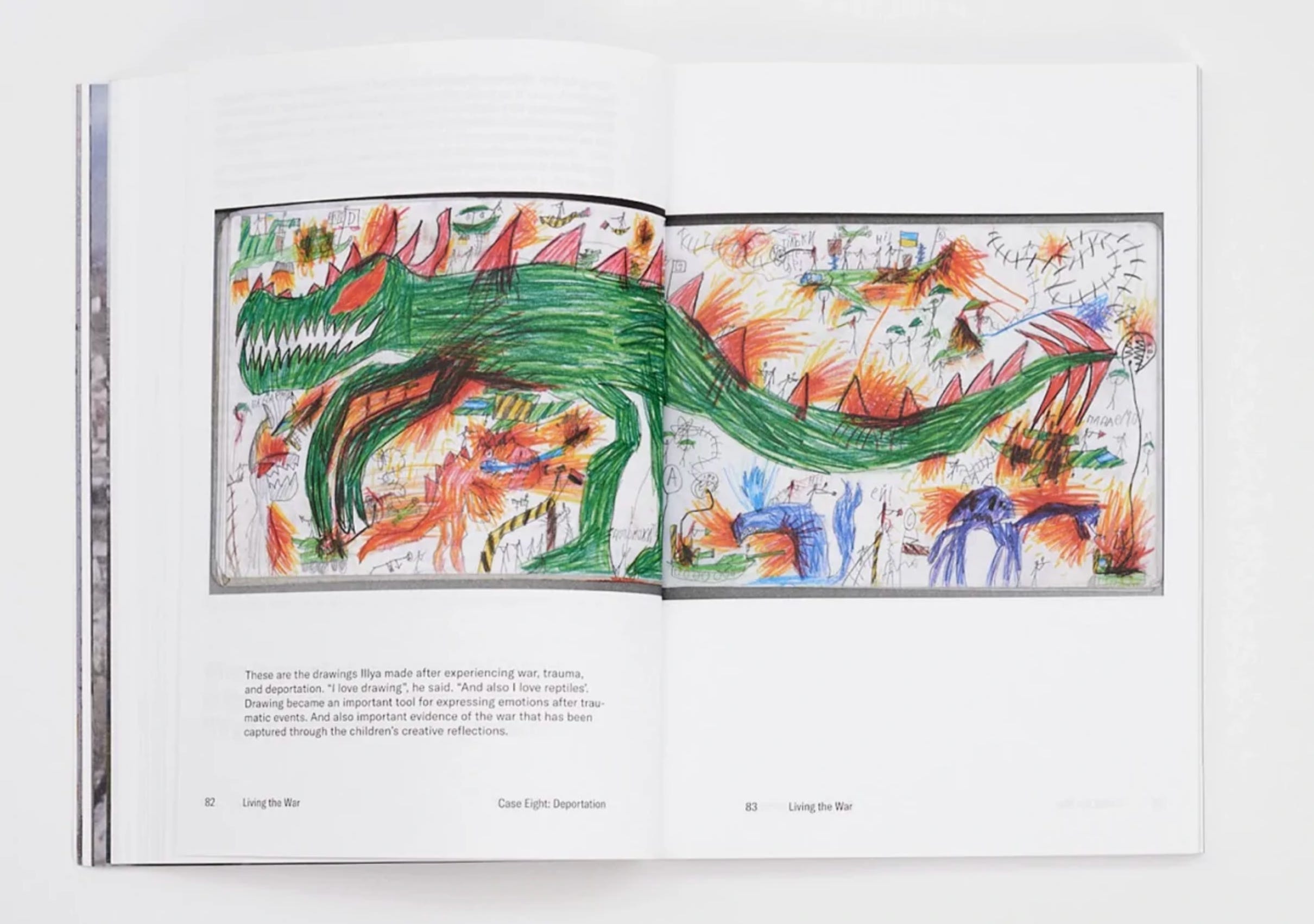
These kidnappings start with children as young as 4 months old, placed in camps where they’re taught Russian folk songs and war propaganda. From the age of eight, children are enrolled in cadet schools for militarised indoctrination, which includes drone assembly and combat drills. The Ukrainian language is forbidden. Russians rename the kidnapped children and place them with Russian families to erase their identity.
Schools aren’t just institutions for Russian occupiers — they’re instruments of colonial control. Kids aren’t just another group to abuse — they’re instruments for sustainable colonisation.
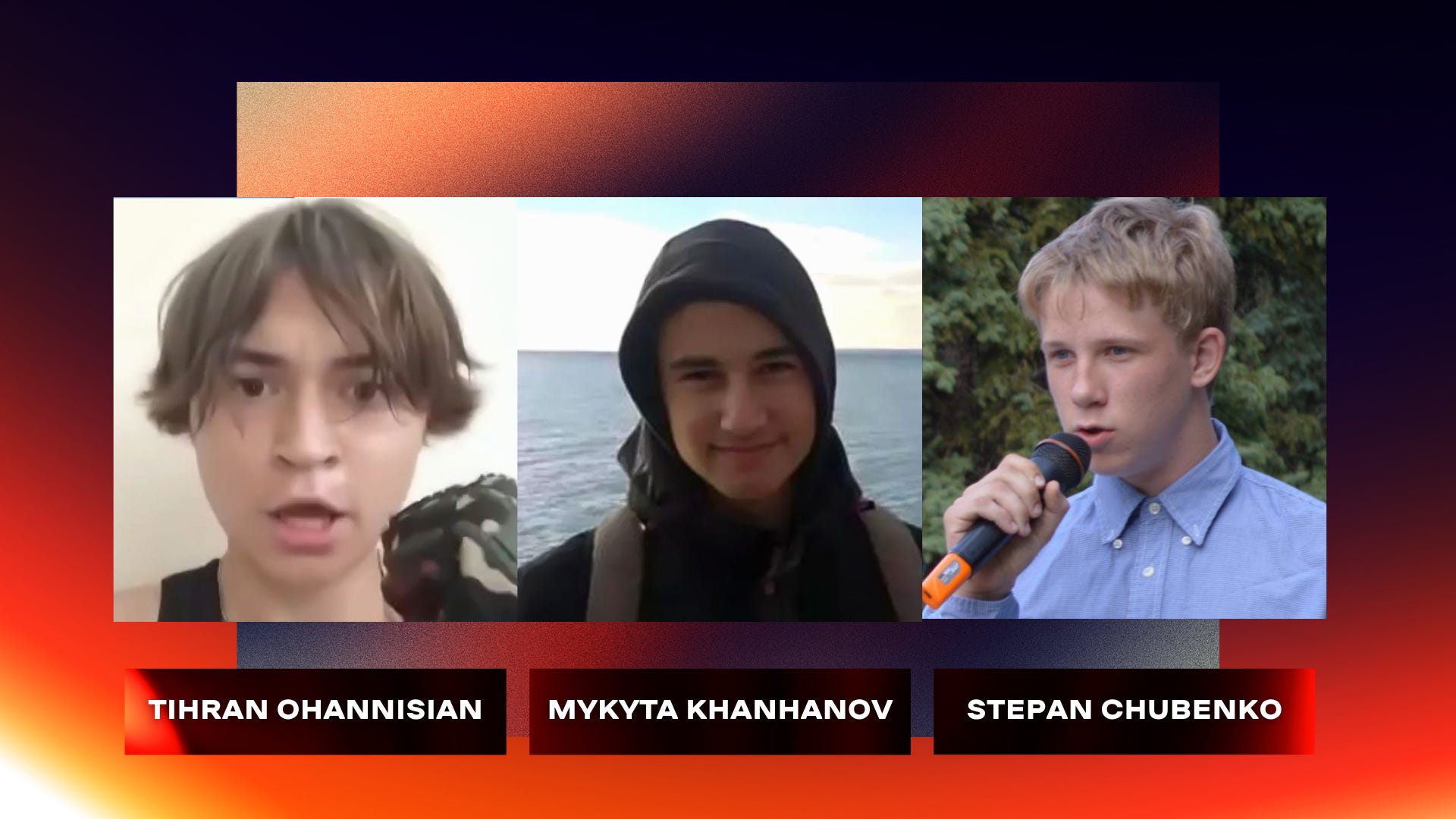
And those who refuse? Similar to 1947 Germany, in today’s Ukraine, Russians exterminate them. 16-year-old Tihran Ohannisian and Mykyta Khanhanov from Berdyansk in my home region, Zaporizhzhia, became recent symbols of Russian methodical violence against kids on the colonised lands. However, most people abroad do not realise that the newest chapter of Russia murdering Ukrainian kids for resisting identity erasure hasn’t started in 2022. The story of the Ukrainian schoolboy Stepan Chubenko from Kramatorsk, who was sadistically executed by Russian invaders in 2014, was one of the first harrowing reminders that the Russian occupation playbook hasn’t changed with the new invasion of Ukraine.