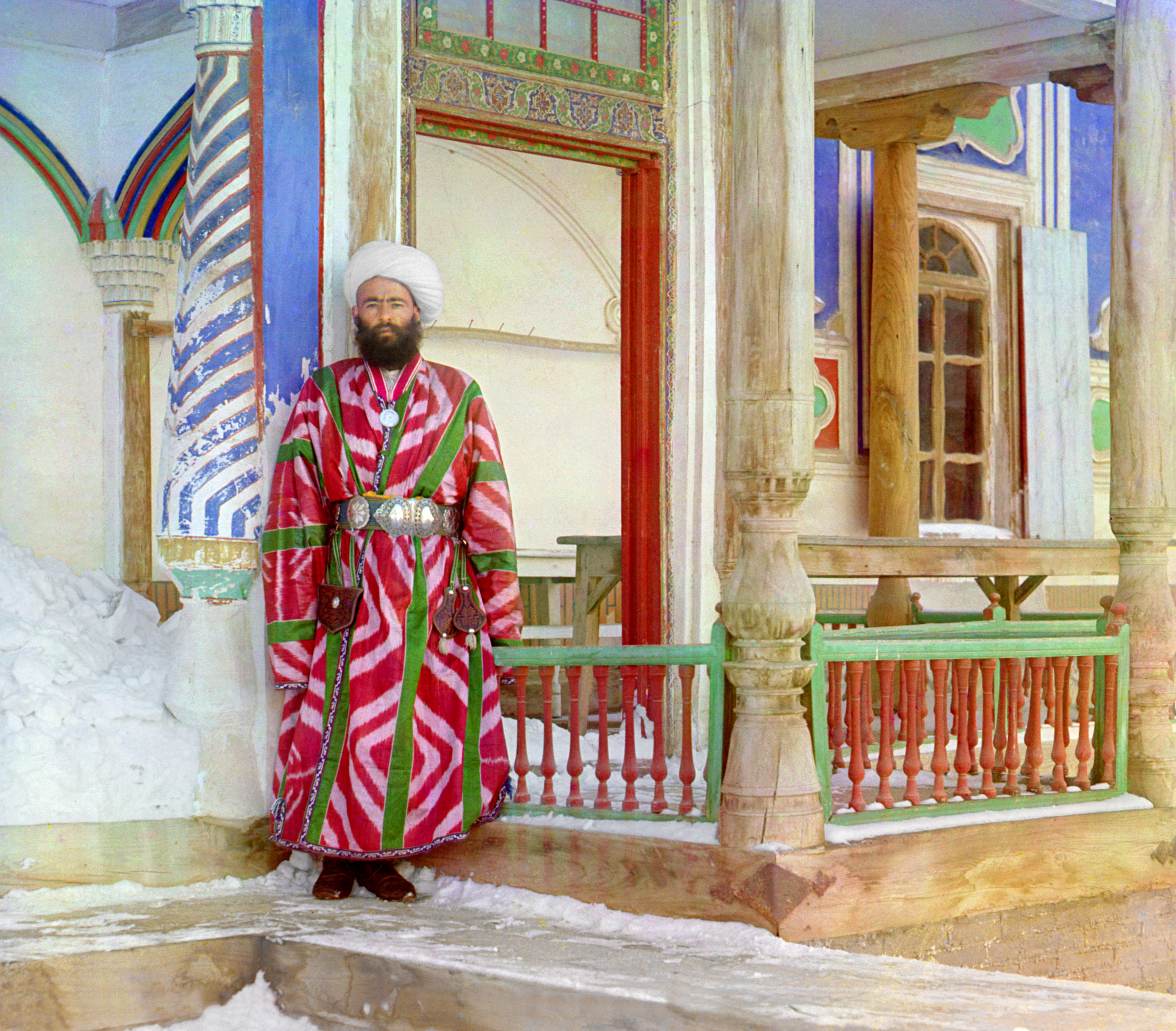
here is what's in store for you this week:
(estimated reading time: 7 min)
Why "the empire produces the man, not the other way around" is the line Western analysts still refuse to think — and why every "is Putin an exception" debate falls apart once you do.
What russia is actually doing in occupied Ukraine: a Kharkiv writer on the systematic erasure of every physical trace of Ukrainian life. Territory has never been the goal.
Dostoevsky on russia’s “civilising mission”, in his own words. Racism is not a bug of “great russian culture.” It is the operating system.
The 21-year-old Qazaq lieutenant who raised the first Soviet flag on the Reichstag was deleted from history. russia did not win WWII. Soldiers like Raqymjan Qoshqarbaev did.
“It was clear to me that no one was using the right words for what was happening. That it was a colonial war. A war aimed at breaking an entire people. A kind of war that Russia has waged against Ukraine again and again throughout history.”
TAZ, Germany’s top left-wing newspaper, published a long review of my Russian Colonialism 101 guidebook, written by Danish journalist Jens Malling. If you don’t follow German news, this is significant because left-wing European outlets almost never discuss russia as a colonial and imperial power. After the review came out, several German friends DMed me, surprised and pleased to see TAZ cover this topic.
The history I write about isn’t hidden or unknown. Instead, it has been pushed aside by russian imperial forces, Western academic discomfort, and the habit of making Ukraine seem unimportant in russian stories. Through my guidebook and this newsletter, I want to make this overlooked pattern clear to anyone who hasn’t lived through it themselves.

What I appreciate most about the TAZ review is that it recognises how my book shows today’s russian leadership is not unusual. This is important because much of Western analysis still treats Putin as an exception or this war as a one-off event. The idea of ongoing colonialism challenges that view. That’s why people resist it, and why it’s important to make it clear and public.
The man does not produce the empire. The empire produces the man, and the next, and the one after.
“Today it’s him, tomorrow it’s someone else. If you want to consolidate your position as Russia’s head of state, you do it within the framework of a particular culture, within a particular value system. And then you become a new Putin, then a new Stalin, then a new Tsar.”
The clear understanding of russian imperial violence is important everywhere. It still shapes how people see the war and leaves democracies unprepared for growing imperial threats.
Europe’s lack of planning for self-defence is both practical and mental. Except for Ukraine, no democratic country is ready for modern warfare. In Ukraine, drones cause 90% of enemy losses, and ground robots handle most logistics. No NATO country is close to reaching this level.
We are also not mentally prepared, because you cannot defend against something you refuse to imagine.
Part of the Empire’s success, he says, is creating an unquestionable belief that it is here to stay. That it is too big and too powerful, has too many resources, has existed too long to be seriously questioned: “That it can never perish. And that the nations that Russia is currently colonising will never be free because of this.”
This myth has a very strong effect, especially among Western decision-makers. “When they think of the Ukrainian resistance,” Eristavi says, they could not imagine the end of the empire. But this prevents them from seeing viable solutions.
Just as with new ways of fighting, quickly learning from people who truly understand modern imperialism is the only way the Free World can survive the next decade or two.
I am grateful that the Russian Colonialism 101 book and this newsletter continue to reach readers and reviewers who are open to these arguments. This helps us imagine a clear path to a better, safer future for our democracies.
Read the TAZ review in full here.
Russian Colonialism 101 is the first newsletter to shed light on Russian colonialism and is part of the Volya Hub network. What is happening to Ukraine has happened many times before, and the rest of the world has been conditioned to overlook or misdiagnose it. This isn't history. It's how you stop being shocked by what was always predictable.
"Because I believe we need to clearly name and call out colonial power structures when we see them. As you mentioned, the right language matters because it shapes our understanding of the world. I want to dig deep into the history of russian colonialism."
by Livia Huber, a paying supporter of Russian Colonialism 101.
By popular demand, and for anyone wanting an alternative to supporting this newsletter on Substack or Patreon. Subscribe via Buy Me Coffee.