

here is what's in store for you this week:
(estimated reading time: 8 min)
“Ukraine only wants what we wanted at the time. They want to determine their own path. Russia hasn’t changed since then –the country has a different name, but its foreign policy and its values are the same.”
Volhynia memory wars. OUN and UPA get exactly two verdicts in today's Poland-Ukraine spat: guilty war criminals, or legendary anti-colonial heroes. And russian cognitive warfare thrives on this polarisation. One historian spent decades proving both black-and-white readings wrong.
The single read on Ukrainian nationalism I'd hand anyone trying to understand how a colonised nation builds the ideology to fight back — Bandera doesn't even appear in it, and that's the point.
Queerness and Ukrainian decolonisation. Why one of my favourite Ukrainian writers argues that equal rights for gay Ukrainians is an urgent item on the Ukrainian survival to-do list.
What is “apocalyptic unlearning” — and how the story of Ukraine’s second-largest city finding its authentic voice teaches us to steer through the turbulent future ahead.
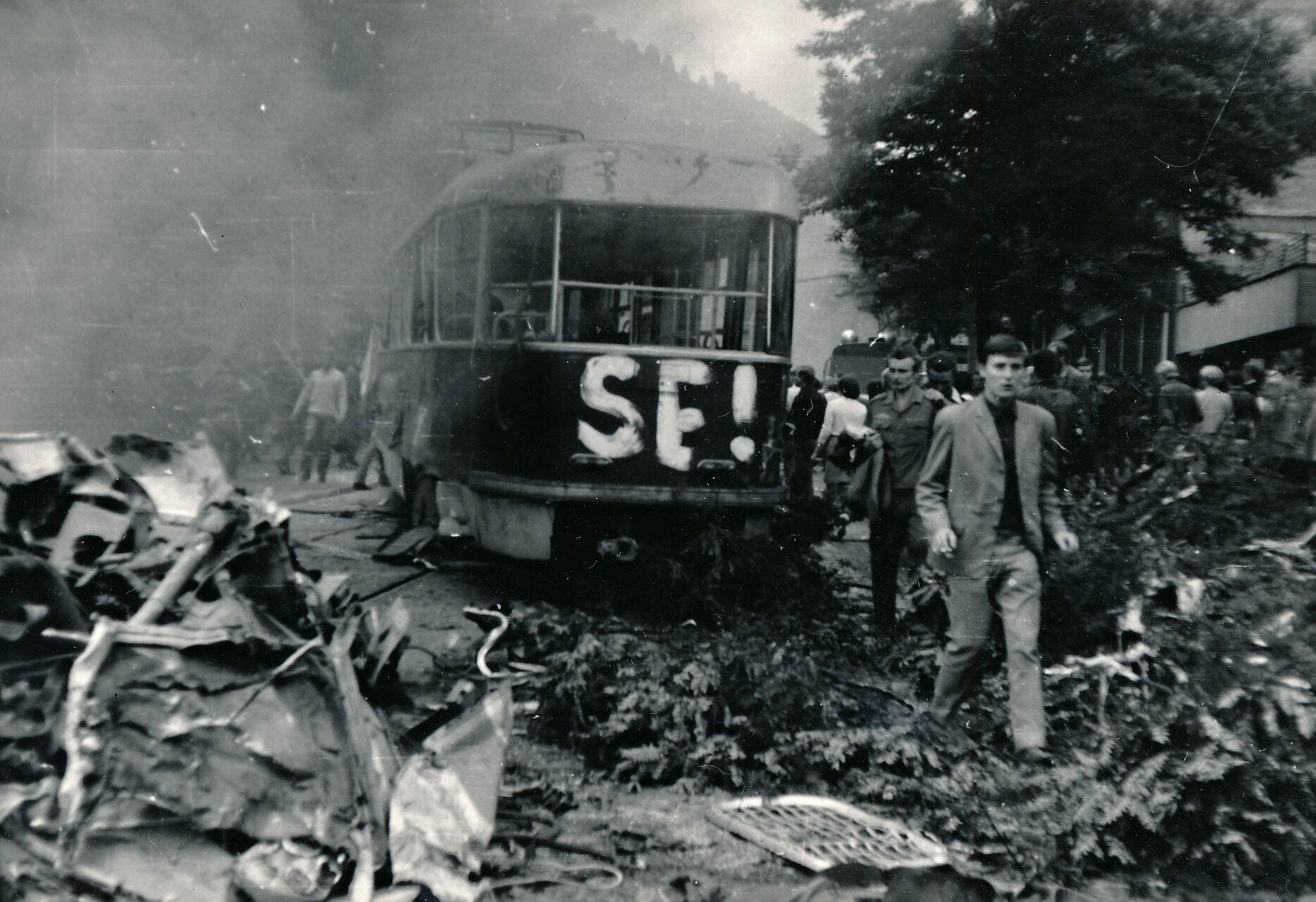
For twenty years, ever since Moscow helped the pro-russian parties in Czechoslovakia to steal the 1948 election and set up a tyrannical satellite regime, imperial russia has continued to tell the Czechs that so long as they cut themselves off from the rest of the West there will be no threat of russian tanks rolling down their streets. So long as they allow the Kremlin to control their foreign policy, their defence and their economy. So long as they always regard russian culture and russia as superior.
But “peace” next to an “empire” is an oxymoron. Empires expand, or they die. Czechs learnt the value of a russian word on the night between the 20th and 21st of August, 1968, as over 250,000 russian imperial troops crossed into their country.
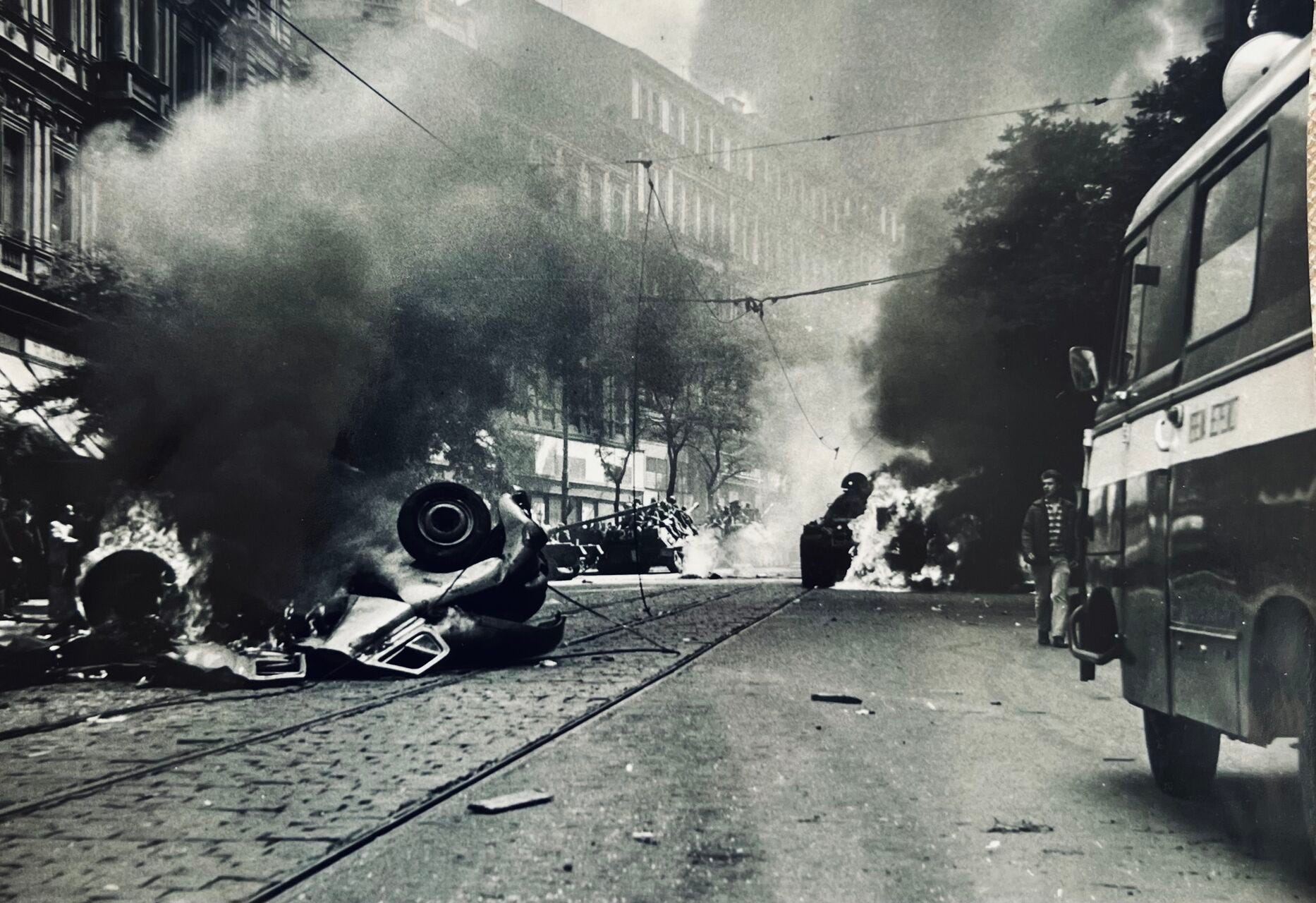
As in Ukraine in 2022, few Czechs and Slovaks (who shared a state at the time) met the imperial invasion without resistance. Oftentimes unarmed, people would stop imperial tanks with their own bodies or homemade Molotovs. Czech and Slovak cities were plastered with graffiti and banners demanding that russian imperial troops go back home.
Among those anti-colonial resistance heroes was Bartolomej Horváth. A 21-year-old Romani Slovak, he was working at a construction site in downtown Košice when russian imperial tanks started rolling down the streets of his city around 1100 in the morning on 21 August. Horváth ran out from his work site and crawled onto one of the russian tanks. With his shovel, he was trying to break the glass of its periscope. An invading soldier then came out of the tank and fired a machine gun at Horváth. People took him to the hospital, where he fought for his life for another two weeks, but died from his injuries on 11 September 1968. No surviving picture of Horváth exists.
At least 137 Czechs and Slovaks were killed fighting russian invaders in the following days and months.
Unfortunately, Czechoslovak sovereignty was already too far gone by then. Having no arms or resources to face half a million well-armed invaders, the people saw their resistance crushed by the empire. The Kremlin smeared the uprising as russophobic, financed by the West and painted the Czechs and Slovaks as the nations desperate for liberation by their ‘big brother.’
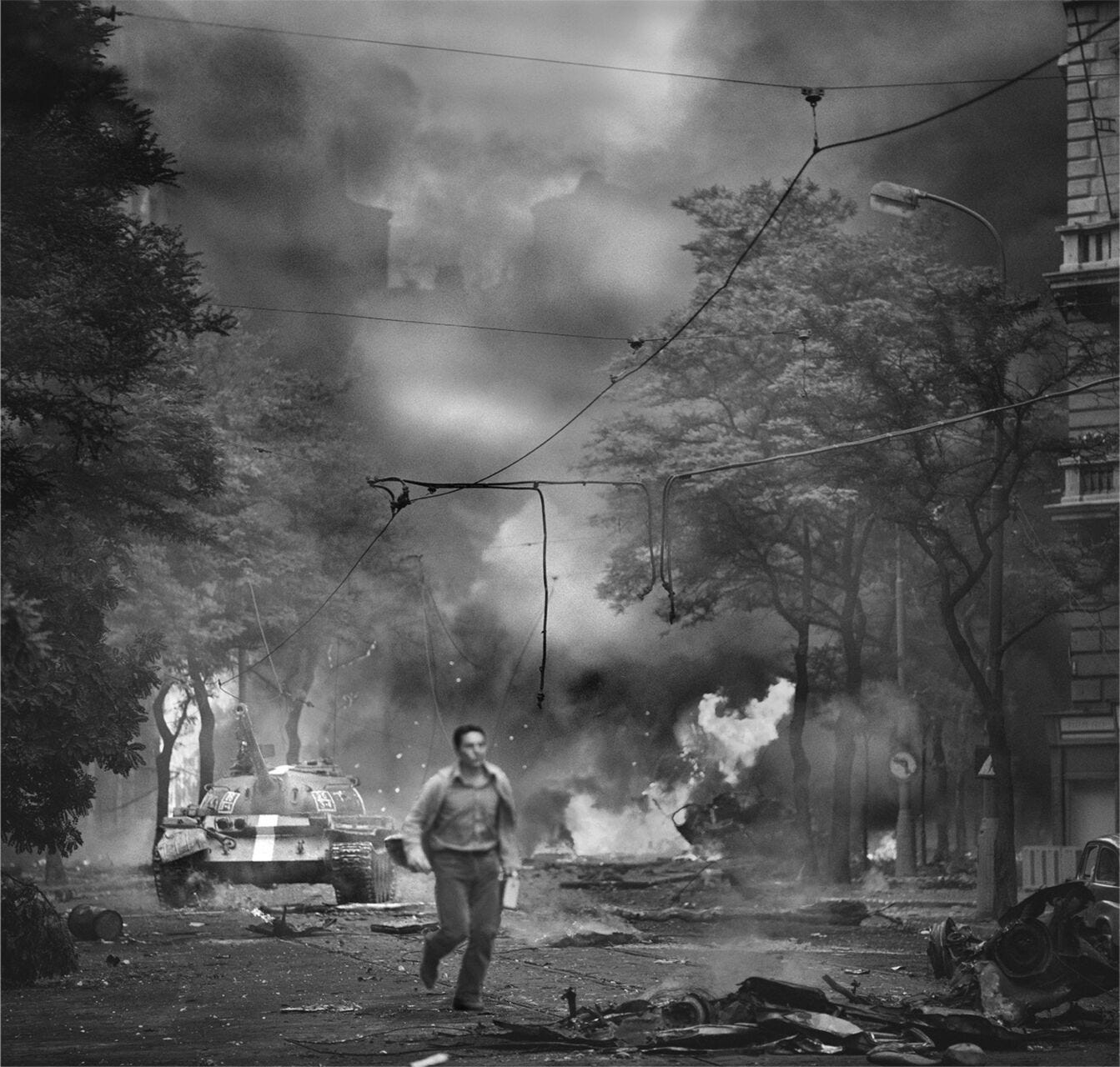
These pictures of Czech and Slovak cities of 1968 look eerily similar to what russians are doing to other European cities in Ukraine today. Because what is happening today has happened many times before. Since russian imperialism has never been punished for any of this, today it keeps destroying more European cities.
While I am writing this, I am literally forced to stop and start over and over again because I am checking on the scale of destruction from the latest 24-hour wave of non-stop bombing of Zaporizhzhia, the city where I grew up. russian missiles, bombs and kamikaze drones keep raining down on Ukraine as I am trying to tell you a story of another russian invasion from 48 years ago.
Balabino, a suburb of Zaporizhzhia, on the morning of August 22nd, 2026, after an attack by several russian guided bombs.
The parallels are not lost on modern-day Czechs, either. In his 2023 speech honouring the memory of the fallen citizens in the 1968 uprising, Czech President Petr Pavel warned that nobody should have illusions that Ukrainians of today fight the identical imperial evil Czechs fought in 1968:
"For the vast majority of people in this country, the 1968 invasion was a time of lost dreams and lost dignity. We should remember what it felt like. Because Ukraine only wants what we wanted at the time. They want to determine their own path. Russia hasn't changed since then –the country has a different name, but its foreign policy and its values are the same.”
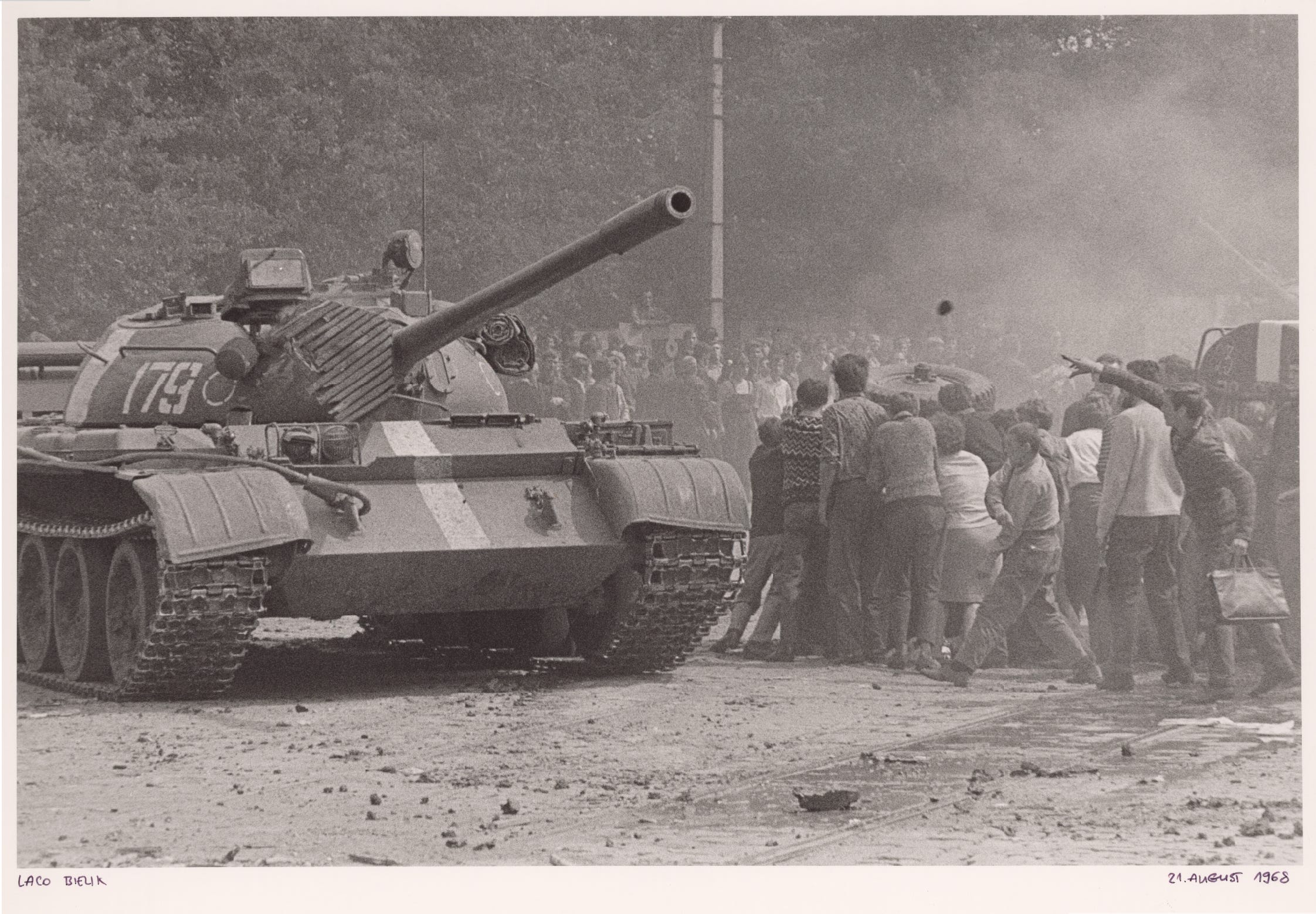
Here’s what’s practical about all this: you now know exactly what russian “peace” is. Disarm. Isolate. Renounce your dignity. Mute your own culture. All of it, if you even have a chance to survive in the first place. Czechoslovakia did that for twenty years and got invaded anyway. Whatever Moscow calls a peace plan for Ukraine this year sounds more like the same: disarm, isolate, and go quiet in exchange for “safety”. Ukrainians know better than to trust these 500-year-old lies. Do you think the rest of us are ready to learn the same lesson before it is too late?
Russian Colonialism 101 is the first newsletter to shed light on Russian colonialism and is part of the Volya Hub network. What is happening to Ukraine has happened many times before, and the rest of the world has been conditioned to overlook or misdiagnose it. This isn’t history. It’s how you stop being shocked by what was always predictable.
“I am a big fan of your work and find it accessible for seeing the larger picture that people seem to be misunderstanding—without this digestible explanation of the history—to appreciate empire strategy and mindset at play currently.”
by Jessica Bee, a paying supporter of Russian Colonialism 101.
By popular demand, and for anyone wanting an alternative to supporting this newsletter on Substack or Patreon. Subscribe via Buy Me Coffee.
