

“The key to solving the world's urgent problems may lie within Ukraine – from disinformation to modern warfare. We've lived these crises and learned how to resist them.”
The Ukrainian Spaces audio show has been one of the most important things I have done, and a jewel in the Volya Hub constellation. Three years, 70+ episodes amplifying unfiltered voices of Ukrainian anti-colonial resistance and decolonising Ukrainian conversations. It took me and a Ukrainian campaigner, Val Voshchevska-Khan, almost a year to ship this season, but we could not be prouder of what we can share with the world.
For our fifth season, Ukrainian Spaces returns to where it began: revisiting six Ukrainians from the 2022 inaugural season to see how hope, resistance, and resilience have shaped their lives. Across six episodes—fear, belonging, language, love, resistance, and the future—our guests reflect on the past, share intimate stories, and write letters to their former selves. A return and continuation, this season reminds us that Ukraine’s story is best told by Ukrainians themselves.
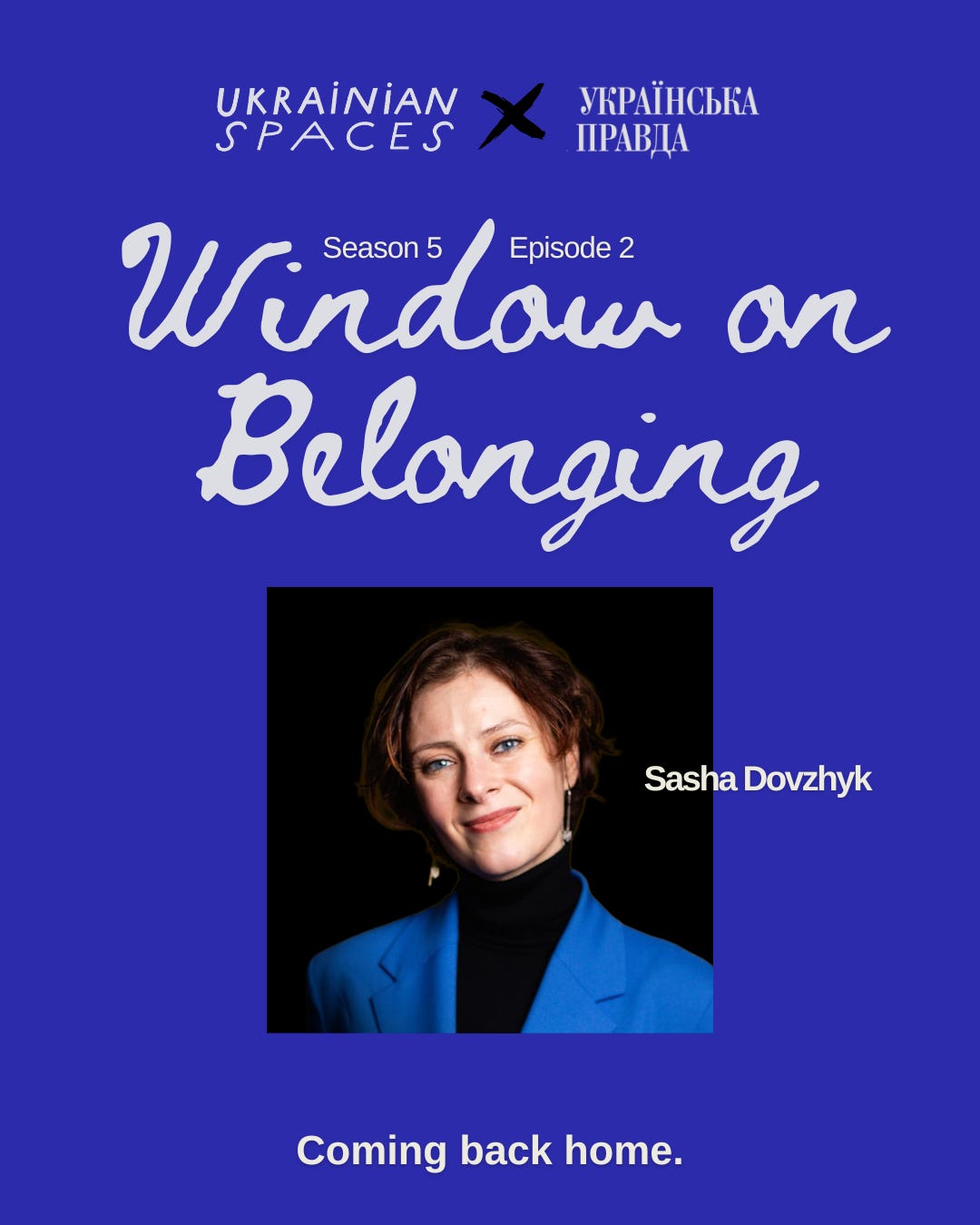
Ukrainian writer and thinker Sasha Dovzhyk joins us for this episode to reflect on belonging, return, and what happens when resistance ideas conceived during the darkest hours of the 2022 invasion grew into a trailblazing institution advancing justice in wartime Ukraine.
When she first appeared on the podcast during the early months of the full-scale invasion, Sasha was living in London, speaking from within the Ukrainian diaspora. Since then, she has returned to Ukraine and helped turn those ideas into decisive action.
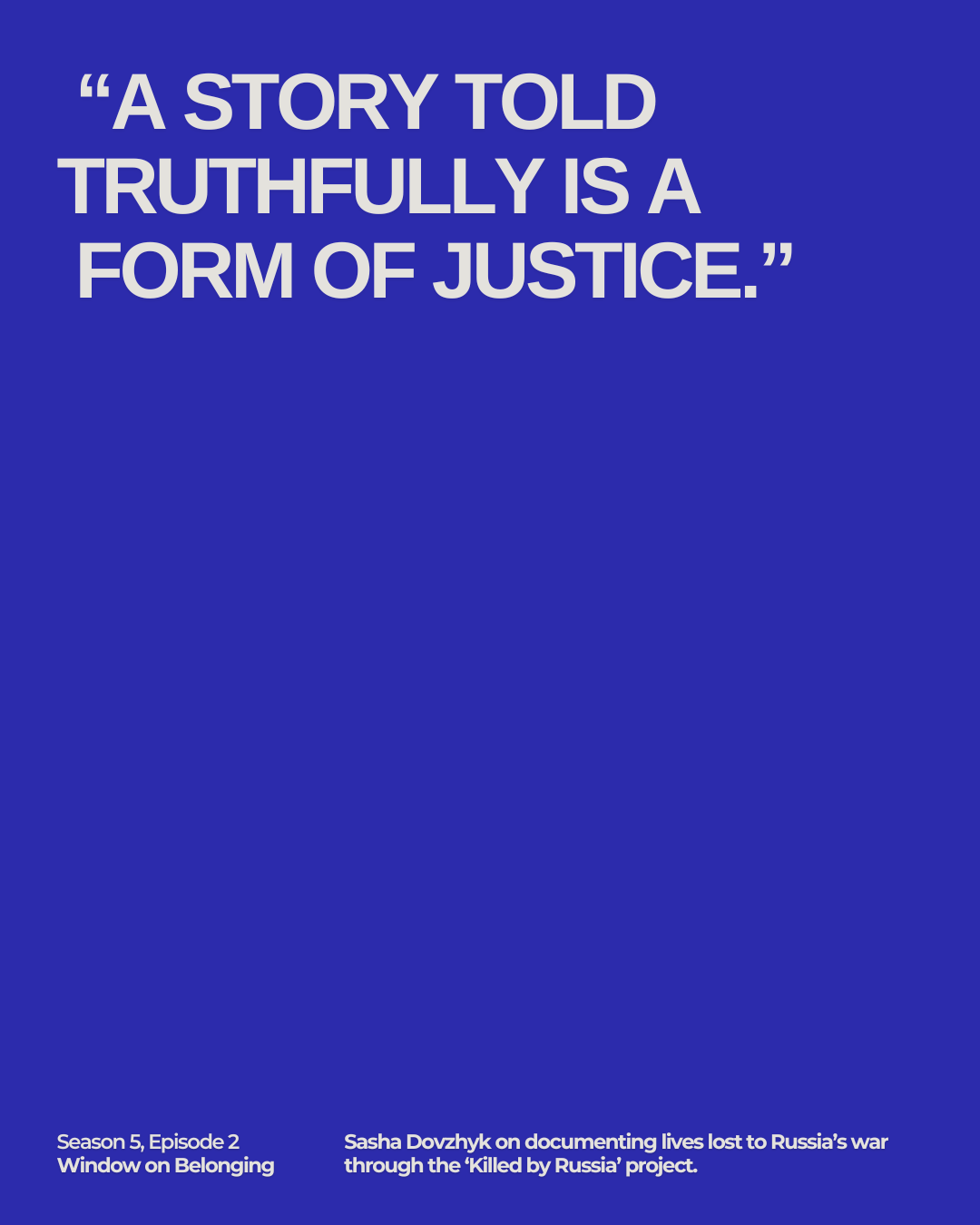
Originally from Zaporizhzhia, Sasha is a Ukrainian writer, curator and the founder of INDEX: Institute for Documentation and Exchange in Lviv. In this episode, she speaks about building knowledge as a form of justice, documenting loss and resistance, and why Ukraine’s experience with anti-imperial resistance matters far beyond its borders. The conversation reflects on imperial cultural erasure, memory, and the responsibility of wartime storytelling.
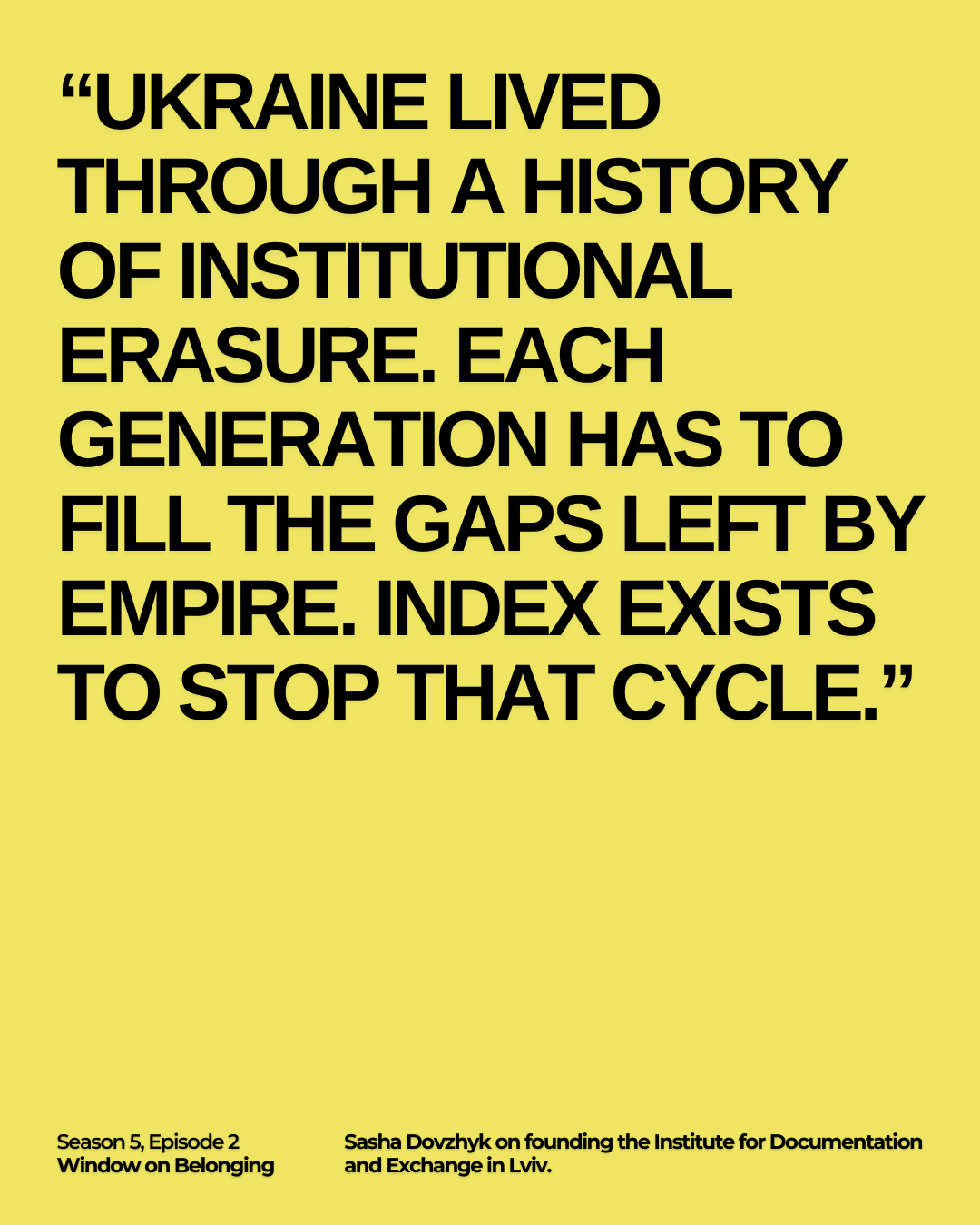
Ukrainian Spaces is more than a podcast; it’s a decolonising movement. It’s about reclaiming the Ukrainian story, breaking free from imperial stereotypes, and understanding the complex roots of Ukraine’s present and future. Together, we can unravel the threads of Ukrainian history and witness the unwavering spirit of a nation fighting for its right to exist.
SUPPORT: Ukrainian Spaces is a 100% independent, volunteer, and listener-supported initiative. Please ensure we can amplify more Ukrainian voices and decolonise more Ukraine conversations - become our Patreon sponsor or bring a friend if you already are (a free trial is available.)
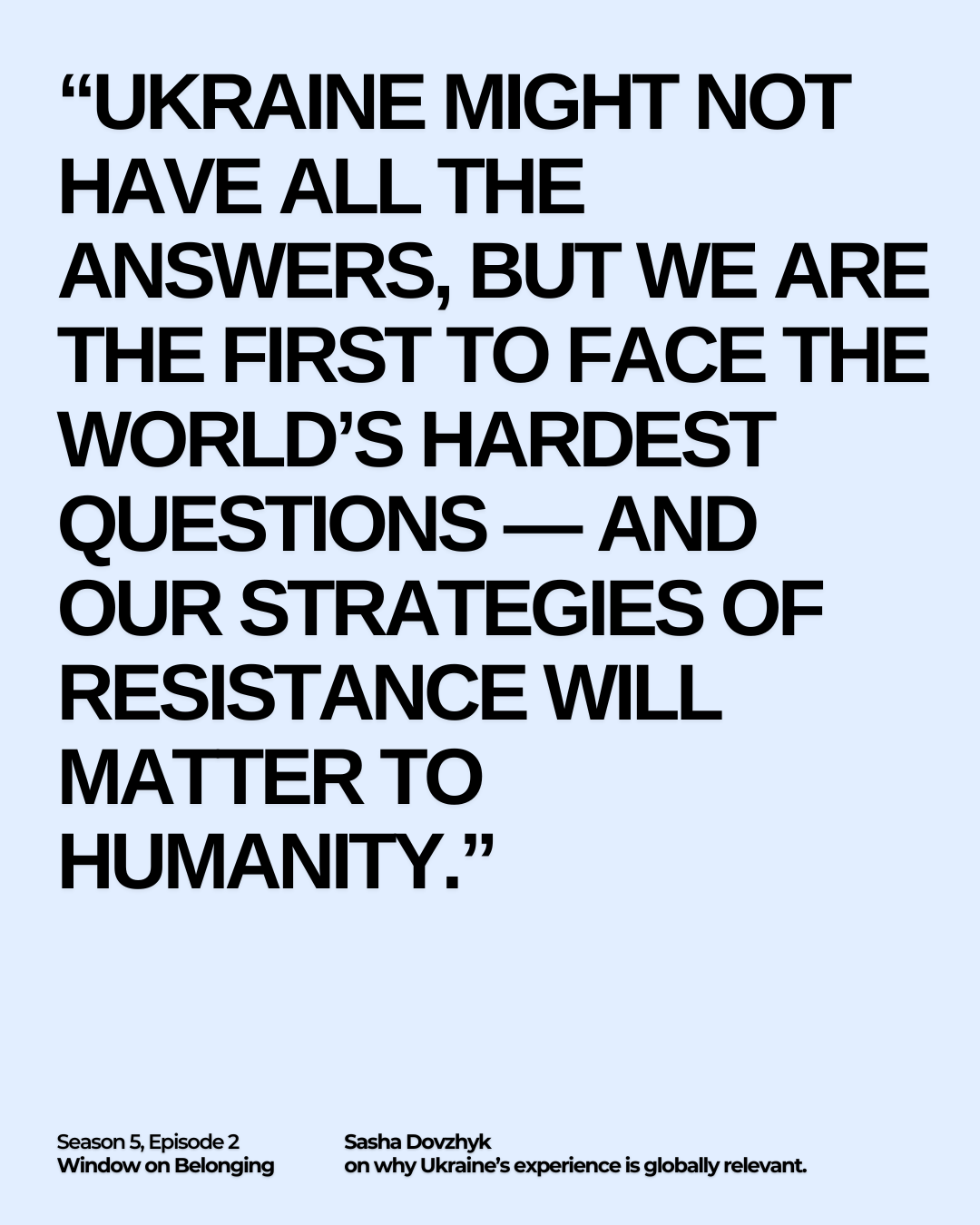
This season, Ukrainian Spaces returns in partnership with Ukrainska Pravda – one of Ukraine’s most trusted voices for truth and freedom. Stand with independent Ukrainian journalism. You can also make a donation through their website or join their Patreon community. Every contribution keeps the story alive.
LEARN MORE ABOUT SASHA’S WORK
“My mother tongue tastes like ashes. Things scorched by enemy fire, then soaked with rain, touched with rot, smelling of death. I felt the taste of my mother tongue most acutely while driving through Borodianka, Bucha, and Irpin two months after these Ukrainian towns in the Kyiv region were liberated by the Ukrainian army from the Russians’ “brotherly” embrace. Russian is my mother tongue and liberation means ripping it out of my throat.” This essay by Sasha makes my top five of the best essays on Russian colonialism ever written.
Listen to Sasha’s previous two appearances on our show: for SEASON ONE called “big female energy of ukraine” and SEASON THREE called “let’s talk about russian-speaking ukrainians”
Check out Sasha’s brilliant Substack Dr Sasha Dovzhyk Ukrainian Killjoy Dispatch.
‘I think of the body of Ukrainian culture as a canvas where Russia is constantly burning new holes.’ Sasha’s profile, done by a leading Ukrainian outlet the Ukrainians.
In this CNN Opinion essay, Sasha explains the almost 200-year-old legacy of the leading voice of the Ukrainian anti-colonial resistance and what his wisdom can teach foreigners today.
Explore the work that Sasha’s INDEX Institute does on documenting the ongoing imperial violence in Ukraine.
Here, Sasha put together a brilliant digital bookshelf featuring open resources on Lesia Ukrainka, the most important female voice in Ukrainian culture and a trailblazer of Ukrainian anti-colonial resistance.
In this episode of Jonathan Fink’s Silicon Curtain Podcast, Sasha unpacks the gaps in global knowledge about Ukraine, the ways imperial narratives shape (or distort) perceptions, and what it takes to reclaim our voice on our own terms.
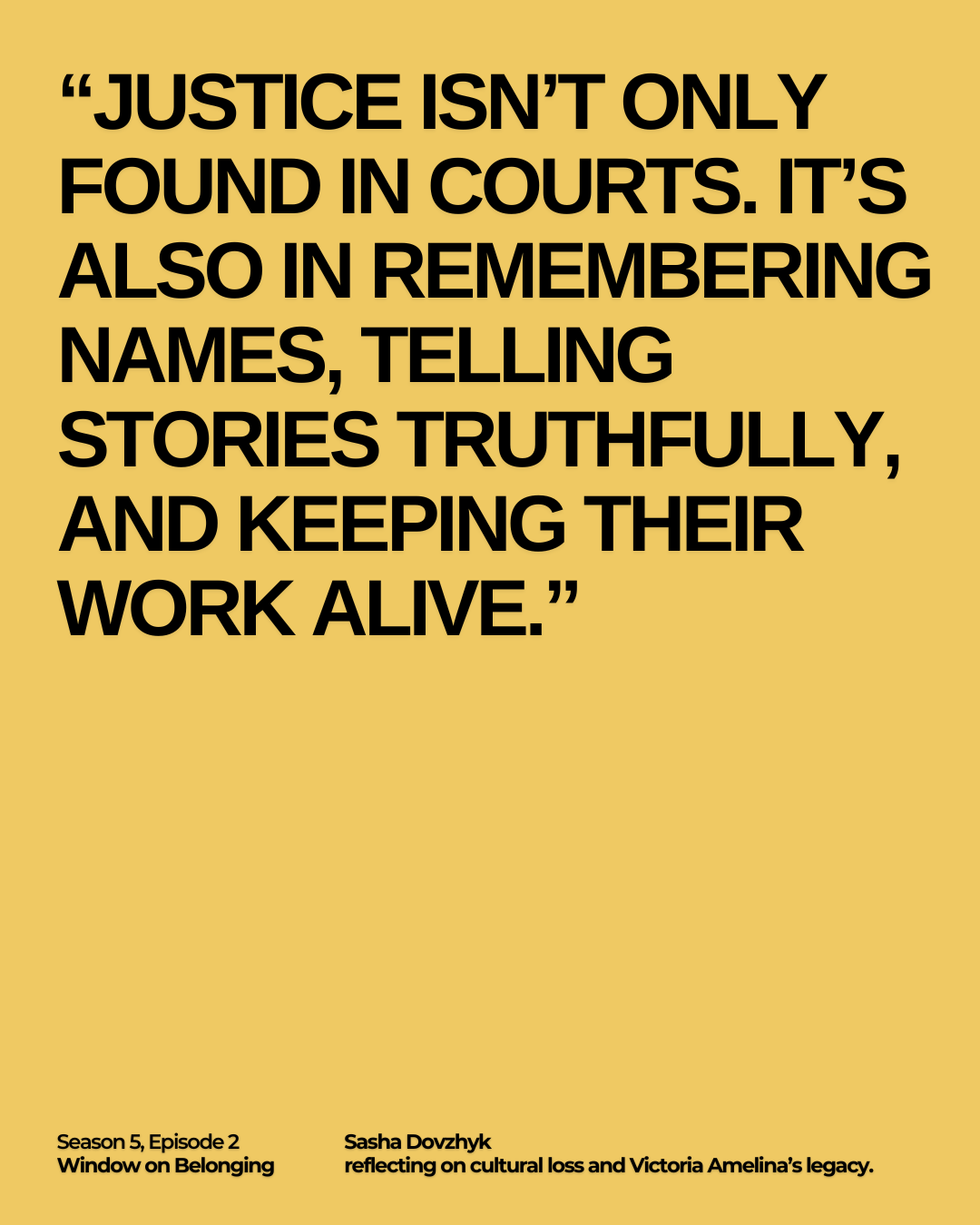
"As if shells hit language, the debris from language may look like poems," wrote a Ukrainian novelist who turned into a poet and a war crimes investigator after Russia’s full-scale invasion of Ukraine. In the aftermath of a Russian attack on Kramatorsk in 2023, she tragically became a victim of a war crime herself. Her name was Victoria Amelina. Her book of testimony, reportage, and memoir Looking at Women Looking at War was published posthumously in February 2025. What is the role of writing in wartime when not only bodies, cities, and landscapes are hit by the enemy's shells but also the language itself? How have Ukrainian writers chronicled the war in their poetry and prose? What purpose does this record serve and what is its place in the world’s library? Listen to Sasha’s 2025 lecture at Harvard.
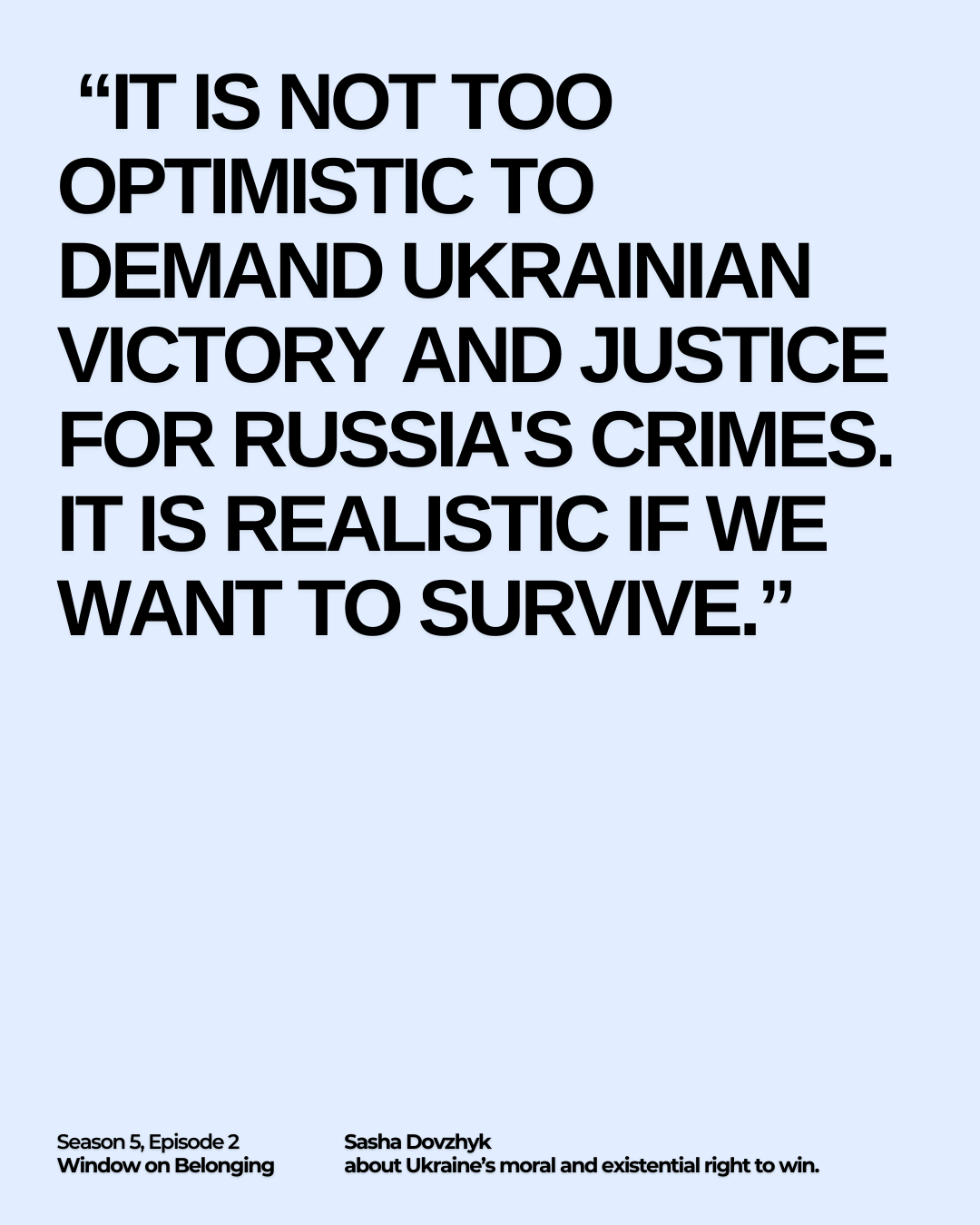
Russian Colonialism 101 is the first newsletter to shed light on Russian colonialism and is part of the Volya Hub network.
This is all, folks.
Meanwhile, if you have a follow-up question, an issue for me to investigate, or an interesting lead to share, just stop by our group chat, okay?
m.


