here is what's in store for you this week:
(estimated reading time: 8 min)
14 million prisoners, including children: the Gulag as one of history's largest slavery systems.
How to survive 30 years of russian slavery, not break and keep inspiring others.
‘Forced labour wasn’t kept alive because it worked — it was kept alive because the system needed coercion to function at all.’
How the Gulag slave camps helped to dramatically expand russian colonisation of North Asia.
"I was there as a slave among victims, a victim among slaves." From Nazi-occupied Warsaw to the brutality of the Soviet slave camps: an untranslated Yiddish testimony most of the world has never read.
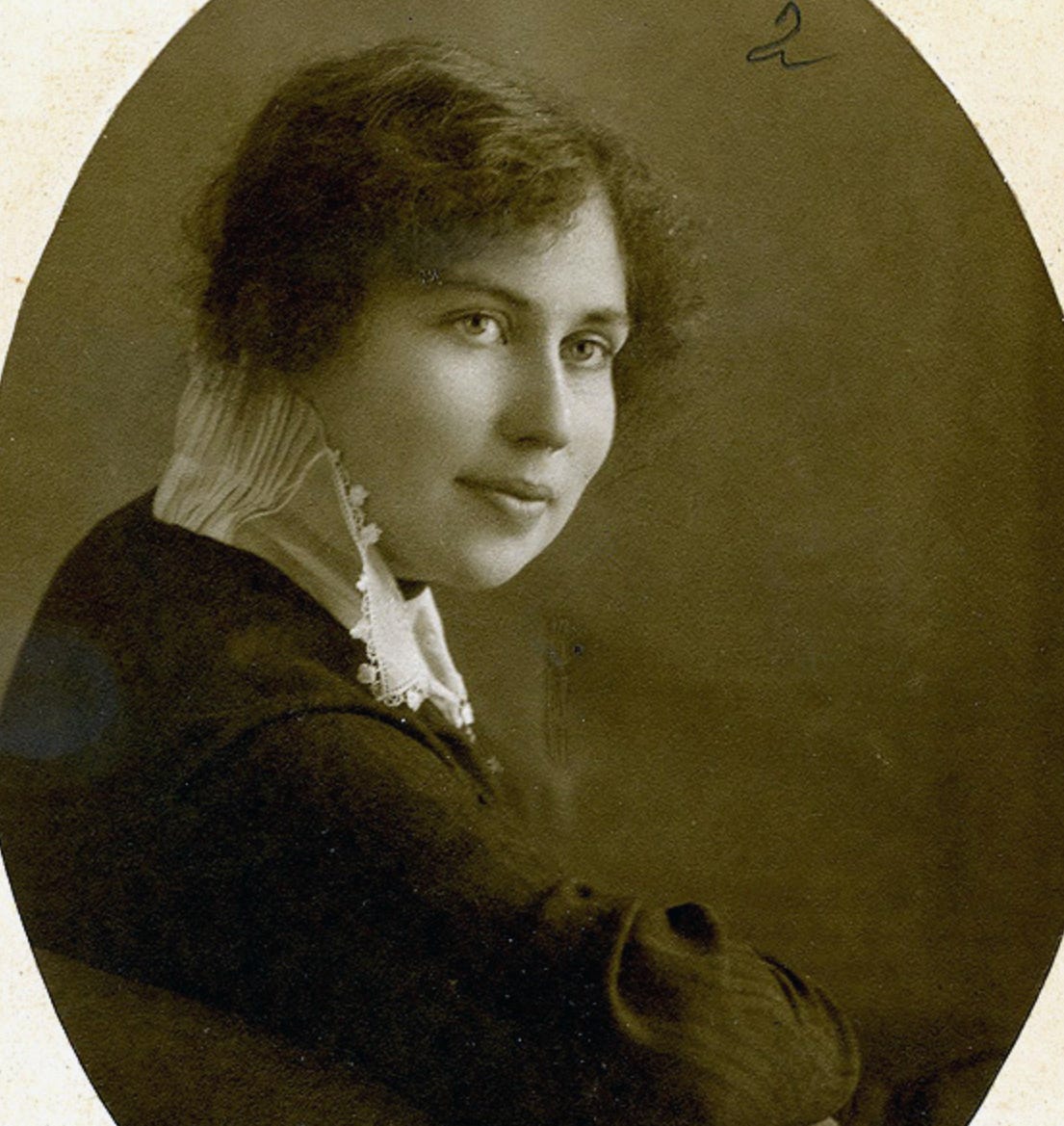
Nadiia Surovtseva landed her first government job at 21, and it was a high-profile one: publishing managing editor at the Foreign Affairs Ministry of the Ukrainian People's Republic. In two years, she was already tapped to represent Ukraine at the Paris Peace Conference. By 24, she had become a doctor of philosophy - the first Ukrainian woman to get this degree from the Vienna University, a prominent participant in the Women’s International League for Peace and Freedom and a co-chair of Europe’s union of progressive journalists.
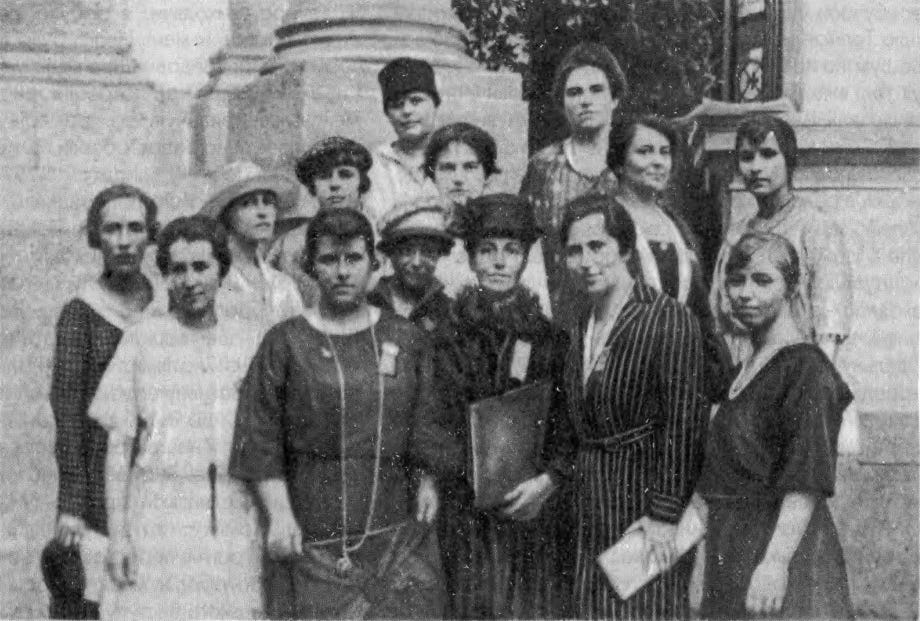
Such a meteoric rise of women to power would still be jaw-dropping in most places in the West at the beginning of the 20th century. But not in Ukraine and elsewhere in Eastern Europe, where liberation from the extreme patriarchy of the russian colonial rule unleashed radical empowerment of women. From Ukraine and Sakartvelo to Azerbajan and Bashqortostan, women were making history by entering the parliaments and getting equal voting rights - decades before the most progressive Western democracies.


Unfortunately, being a feminist, brilliant and successful woman is also one of the things russian imperialism hates the most. Under russian occupation, Surovtseva was kidnapped and sent to slavery camps in North Asia. Aged 31, a former high-profile diplomat and journalist, she was logging the trees and building the roads:
“Today we didn’t have to drag ourselves for eighteen kilometres, but the path was no kinder for it. It wound across spiteful peat hummocks, each one a small torture: step on one and your foot slips, the mound skitters away; step between them and the so‑called trail twists your ankle as if determined to wrench it out of the joint. Then came the tree‑felling. There’s a particular kind of dread in standing there, waiting for a trunk to start its fall, never knowing whom it might crush. I knew, of course, that everything can be learned, mastered even — but I also knew how many people these taiga trees had already killed or maimed.
On the third day, they drove us to the seventh kilometre, ferried us by boat to an island in the Khatynna Valley, and set us to logging again. I found a tall hummock, stacked my wood, and, hungry and frozen, waited with the others on the shore for the ferryman to take us back to camp. But this Charon, as if out of spite, dawdled — quarrelling with someone — and when he finally overloaded his boat and managed to sink it right by the bank, we had to crawl onto the ice and wade through the water ourselves. Terrible: dark, wet, cold.”
This is a passage from Surovtseva’s memoirs I have just finished — a very rare piece of literature since so few Ukrainians survived russian death camps. Definitely not after 30 years of slavery, as Surovtseva did.
Many people abroad heard of the Gulag, the vast imperial network of prisons in russia. But most still think of them as regular detention camps for dissidents, and not as one of the largest slavery labour systems in human history.
SLAVE CAMP BUILT NOT FOR PROFIT, BUT FOR PUNISHMENT.
The russian empire has a long and cordial relationship with slavery (even if it claims it has not), de facto abolishing its last vestiges only in the late 1970s. As with any of the colonial projects in history, the exploitation of unpaid labour has been a priority economic vehicle for russian colonialism. And 14 million prisoners - including children - who went through the Gulag system are part of the russian slavery story.
Russian Colonialism 101 is the first newsletter to shed light on Russian colonialism and is part of the Volya Hub network.